
Alkalinity
It means the acid neutralizing capacity. In other words, it includes the total titratable bases. Alkalinity is significant in many uses and natural waters and wastewaters. Since the alkalinity of many surface waters is mainly a function of the carbonate, bicarbonate, and hydroxide content, we consider them as an indication of the concentration of these compounds.
The measured values may also include borates, phosphates, silicates, or other bases if present.
Sources of Water Alkalinity
1- Natural minerals:
– Carbonates and bicarbonates: Such as calcium carbonate and calcium bicarbonate, these minerals are found in rocks and soil and can dissolve in water.
– Hydroxides: Such as calcium hydroxide and magnesium hydroxide, can exist naturally in water.
2_ Human activity:
– Chemical fertilizers: The use of chemical fertilizers in agriculture can make the groundwater alkaline.
-Industries: Some industries, such as cement factories, paper mills, and chemical industries, can artificially increase alkalinity in groundwater or rivers.
-Building materials: Such as concrete, limestone, and gypsum can dissolve in water over time and make the water alkaline.
How to store the sample
The sample can be stored for up to 14 days unless refrigerated at 4°C.
How to measure
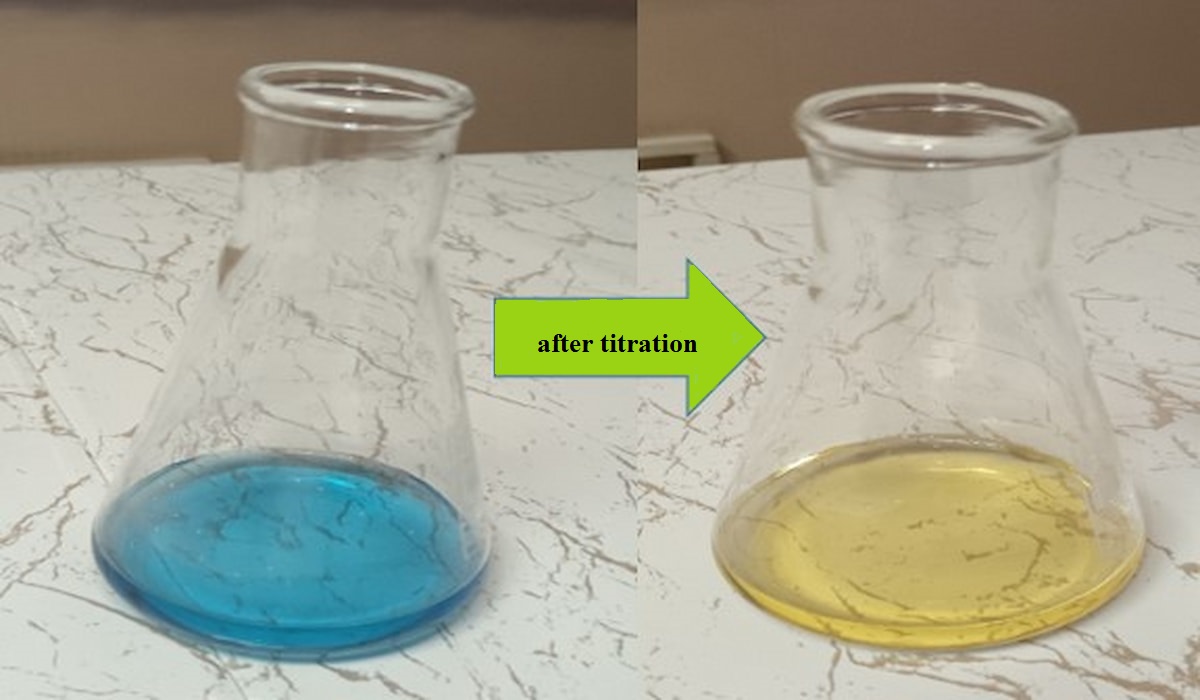
To determine alkalinity, we use phenolphthalein and bromocresol green reagents. Its unit of measurement is mg/L CaCO32-.
Share:
 English
  Persian